
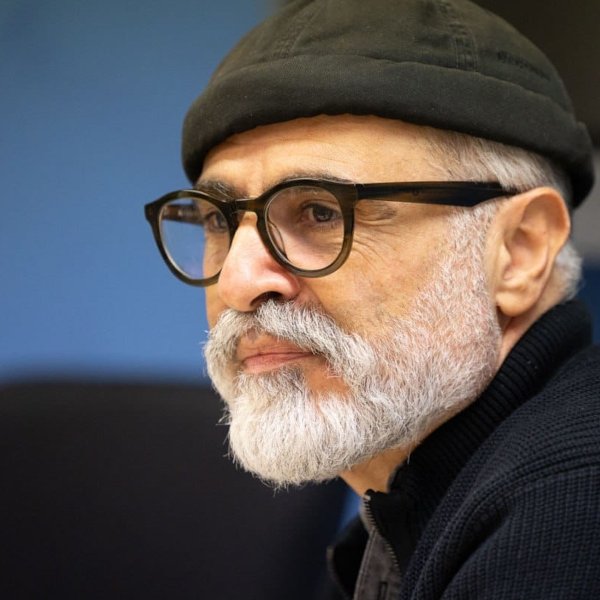
Shahram Khosravi
Stockholm University
Shahram Khosravi is professor of Anthropology at Stockholms University. His research interests include anthropology of Iran, forced displacement, border studies, and temporality. Khosravi is the author of several books such as : Young and Defiant in Tehran (2008); The Illegal Traveler: an auto-ethnography of borders, (2010); Precarious Lives: Waiting and Hope in Iran, (2017); After Deportation: Ethnographic Perspectives, Palgrave (2017, edited volume); Waiting. A project in Conversation (2021, edited volume), and Seeing Like a Smuggler (2022, edited volume). He has been an active writer in the international press. He is a co-founder of Critical Border Studies, a network for scholars, artists and activists to interact.
Opening plenary: Knowledge production and epistemic justice
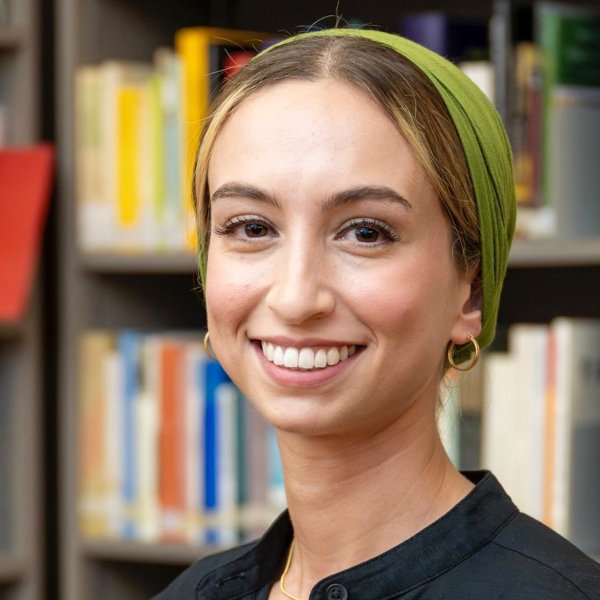
Dounia Bourabain
University of Hasselt
Dounia Bourabain is assistant professor of sociology at Hasselt University’s School of Social Sciences. Her research focuses on everyday power struggles in academic settings, from a critical sociological and decolonial approach. Her recent work spans topics such as everyday racism and sexism in academia, the development and impact of Equality, Diversity and Inclusion policies, and the politics of knowledge production. She serves on the editorial teams of Sociology Compass and the Dutch Journal of Gender Studies. Prof. Bourabain received the Emma Goldman Snowball Award for her dedication to feminist and inequality issues across Europe. She is also a co-host of the podcast Joy in Academia.
Opening plenary: Knowledge production and epistemic justice
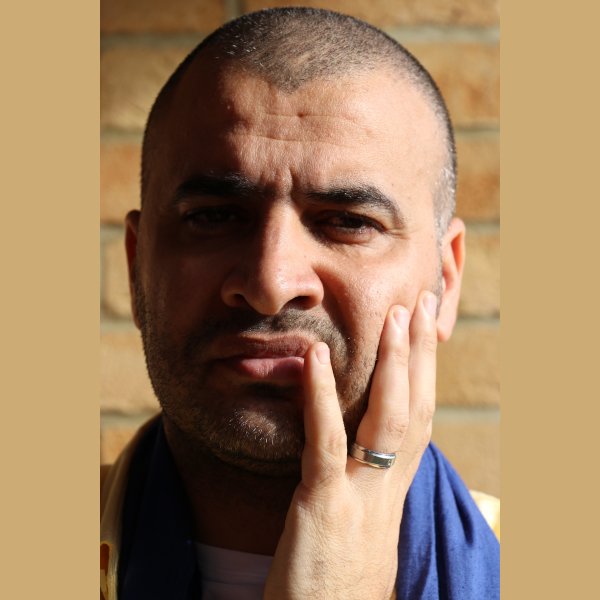
Yousif M. Qasmiyeh
University of Oxford
Born and educated in Baddawi refugee camp in Lebanon, Yousif M. Qasmiyeh is a poet and translator who completed his doctorate in English Literature at the University of Oxford. Time, the body and ruination inform his poetry and prose, which have appeared in Modern Poetry in Translation, Critical Quarterly, Cambridge Literary Review, PN Review, Stand, New England Review, Poetry London and Wasafiri. Yousif is the Creative Encounters Editor of the Migration and Society journal, Writer-in-Residence for the Refugee Hosts project, and a Poetry Book Society Selector. His debut collection, Writing the Camp (Broken Sleep Books, 2021), was selected as one of the Best Poetry Books of 2021 by the Telegraph and the Irish Times; was highly commended by the 2021 Forward Prizes for Poetry; and was shortlisted for the 2022 Royal Society of Literature Ondaatje Prize. Yousif’s latest book is Eating the Archive (Broken Sleep Books, 2023).
Opening plenary: Knowledge production and epistemic justice
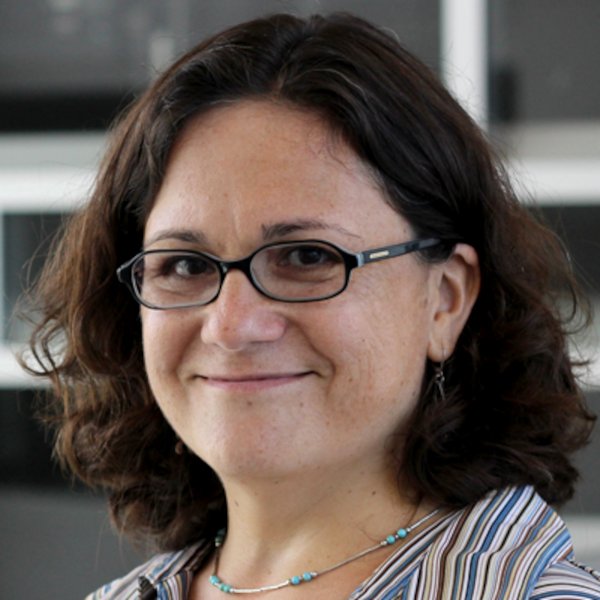
Nancy Plankey-Videla
Texas A&M University
Nancy Plankey-Videla is Associate Professor of Sociology and Director of the Latina/o and Mexican American Studies at Texas A&M University. She is a community-engaged scholar working in the areas of migration, deportability, deportation, and return. Collaborating closely with non-profit organizations, she examines the effect of deportation and coerced return from the U.S. to Mexico, and the effect of immigration policy and anti-immigrant rhetoric on Latine mixed-status families and day laborers in Texas. Her research has been the catalyst for legal clinics to provide immigrant parents with power of attorney documents in case of detention or deportation, anti-wage theft campaigns, and the establishment of a worker center. Her leadership in the American Sociological Association’s Sociology Action Network helped develop professional guidelines for taking community-engaged scholarship into account in promotion and tenure processes. Her earlier work on the empowerment of Mexican women garment workers, We Are in This Dance Together, garnered multiple book awards.
Plenary session 1: Community engagement in migration studies
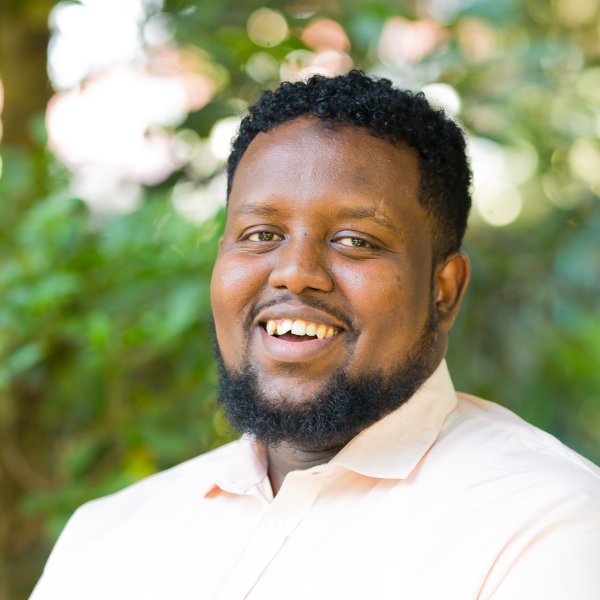
Mohammed Hassan
Refugee-Led Research Hub
Mohamed Hassan is a refugee researcher and governance specialist with over twenty-five years of lived and professional experience in Kakuma Refugee Camp, Kenya. He is a Research Officer at the Refugee-Led Research Hub (RLRH) in Nairobi, where his work centers on advancing epistemic justice and strengthening community-engaged migration research. His scholarship examines governance, participation, accountability, and the politics of representation in humanitarian settings, with a focus on how refugee-led knowledge can reshape policy and challenge extractive models of academic inquiry. Mohamed is an alumnus of the Oxford–BIEA Research Fellowship, Princeton University’s Global History Lab, and the OSUN Oral History and Literature Program. Across his work, he promotes refugee-led research as both a methodological practice and a political project aimed at transforming migration studies.
Plenary session 1: Community engagement in migration studies
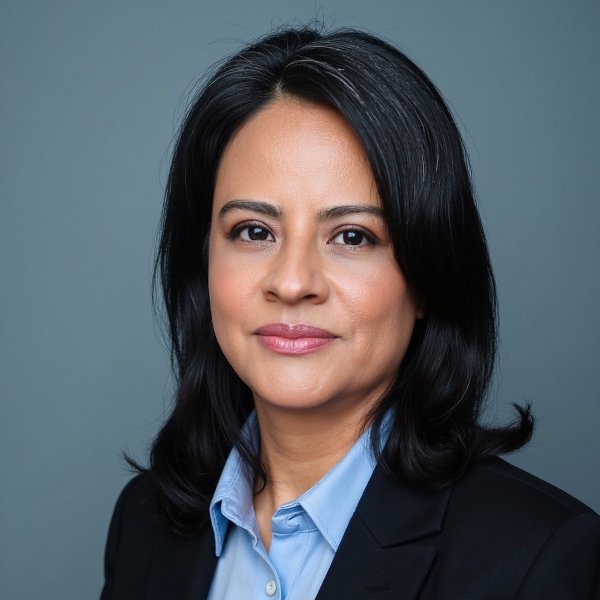
Nancy Landa
Al Otro Lado
Nancy Landa is a strategic advisor in the humanitarian sector, specializing in program evaluation and migration policy research. Drawing from her own experience of deportation, she writes and speaks about the social injustices faced by migrants under increasingly restrictive immigration regimes across the Americas, and advocates for cross-border responses rooted in justice and dignity. Nancy has contributed to academic publications on the impact of U.S. deportation policies, as well as on autoethnographic approaches to return migration studies. She holds a Master’s degree in Global Migration from University College London (UCL) and currently manages the Binational Deportee Program for Al Otro Lado.
Plenary session 1: Community engagement in migration studies
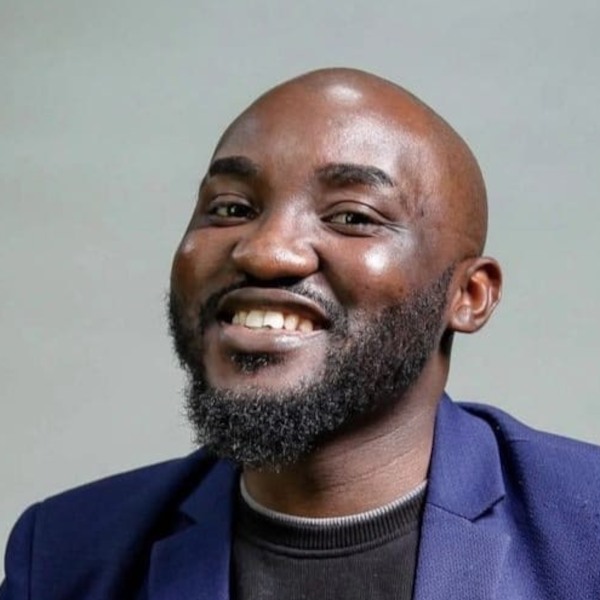
Emmanuel Achiri
European Network Against Racism
Dr. Emmanuel Achiri is ENAR’s expert on migration, security, and policing. His work explores how race, borders, and power intersect, approaching migration governance through a racial justice and decolonial lens. He often reminds audiences that there is no “migration crisis” — only Europe’s ongoing crisis with its own identity and obsession with whiteness. Achiri holds a PhD in international politics and migration, co-founded the migrant-led organisation VOIS Cyprus, and served on the European Philanthropic Initiative for Migration’s Process of Change Board (2022–2023).
Plenary session 2: Impact of migration research on society
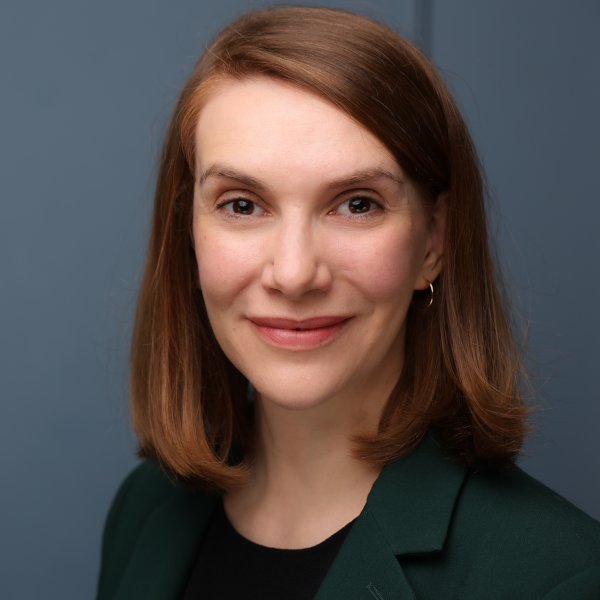
Natalie Welfens
University of Frankfurt
Natalie Welfens is a postdoctoral researcher at the Center for Critical Computational Studies, at Goethe University Frankfurt. Her research focusses on social inequalities in migration and asylum governance, the impact of new technologies and questions of knowledge production in migration policy and academia.
Plenary session 2: Impact of migration research on society
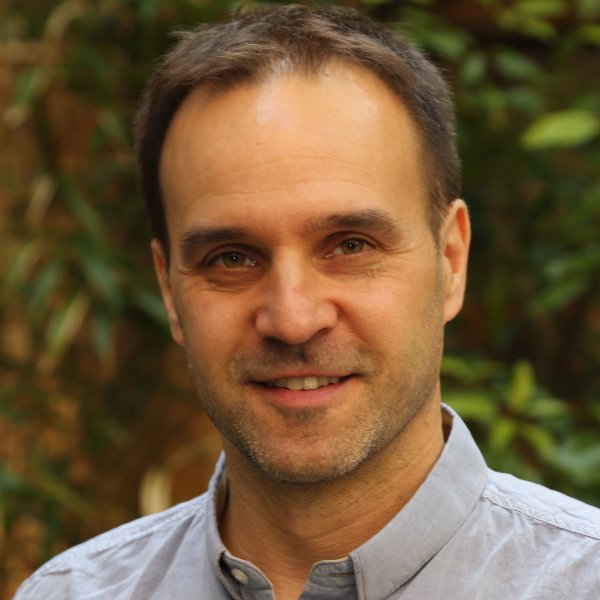
Martin Ruhs
European University Institute
Martin Ruhs is Professor of Migration Studies and Deputy Director of the Migration Policy Centre (MPC) at the European University Institute (EUI) in Florence. He was previously Professor of Political Economy at the University of Oxford. Martin’s research focuses on the economics and politics of international migration, with a strong international comparative dimension. In recent years, he has been particularly interested in how labour and welfare institutions shape host country responses to migration, and in feasibility constraints (incl. public attitudes and policy preferences) and ethical dilemmas in policy-making on migration. Martin co-coordinates the ‘Dilemmas’ project (together with Rainer Bauböck, Julia Permoser, and Lukas Schmid), see e.g. ‘Beyond Myth Busting: How Engagement with Ethical Dilemmas Can Improve Debates and Policymaking on Migration’ (Ethics & International Affairs, Spring 2025).
Plenary session 2: Impact of migration research on society
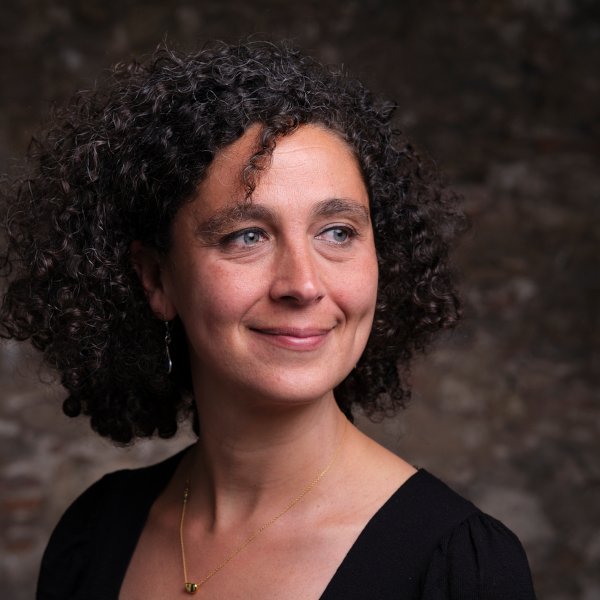
Blanca Garcés-Mascareñas
CIDOB
Blanca Garcés-Mascareñas is senior researcher at the Barcelona Centre for International Affairs (CIDOB). She graduated in History and Anthropology from the University of Barcelona and is PhD cum laude in Social Sciences from the University of Amsterdam. Her PhD thesis was awarded the Dutch Sociological Association (NSV) prize for the best dissertation defended in the Netherlands in 2009 and 2010. Her research focuses on the study of migration policies, including borders, the legal construction of irregularity, labour migration, reception, and social inclusion. She also works on the analysis of the politicisation of immigration and how it shapes public policies. She was the scientific coordinator of the H2020 project BRIDGES (2021-24), which examined the causes and consequences of immigration narratives in Europe.
Closing plenary: Imagining the future of migration studies
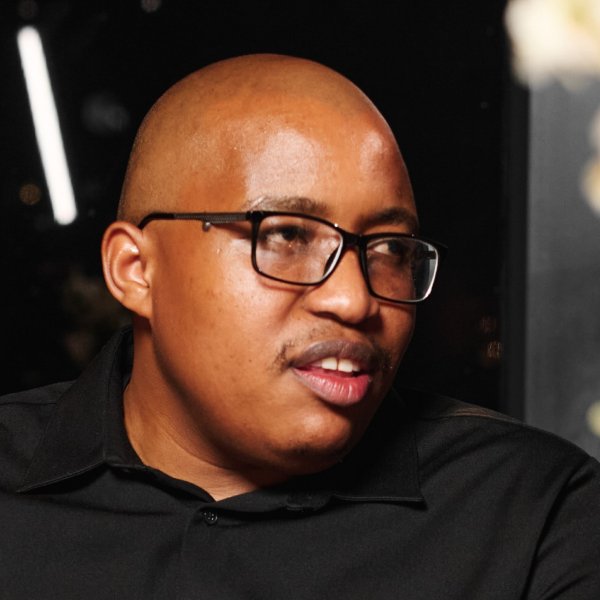
Kudakwashe Vanyoro
Wits University
Dr Kudakwashe Vanyoro is Lecturer in Social Anthropology at the University of the Witwatersrand. His research examines migration, (im)mobility, temporality, and decolonial knowledge production in Africa. He is the author of Migration, Crisis and Temporality at the Zimbabwe–South Africa Border (Bristol University Press, 2024) and Can Migration Studies Be Decolonised? (forthcoming, 2026). A recipient of the Lisa Gilad Prize and the A.G. Leventis Fellowship at the University of Cambridge, Dr Vanyoro’s scholarship critically interrogates how migration governance, activism, and borders shape everyday life in Southern Africa and beyond, while advancing calls to rethink the epistemic geographies and boundaries of migration and displacement studies globally.
Closing plenary: Imagining the future of migration studies
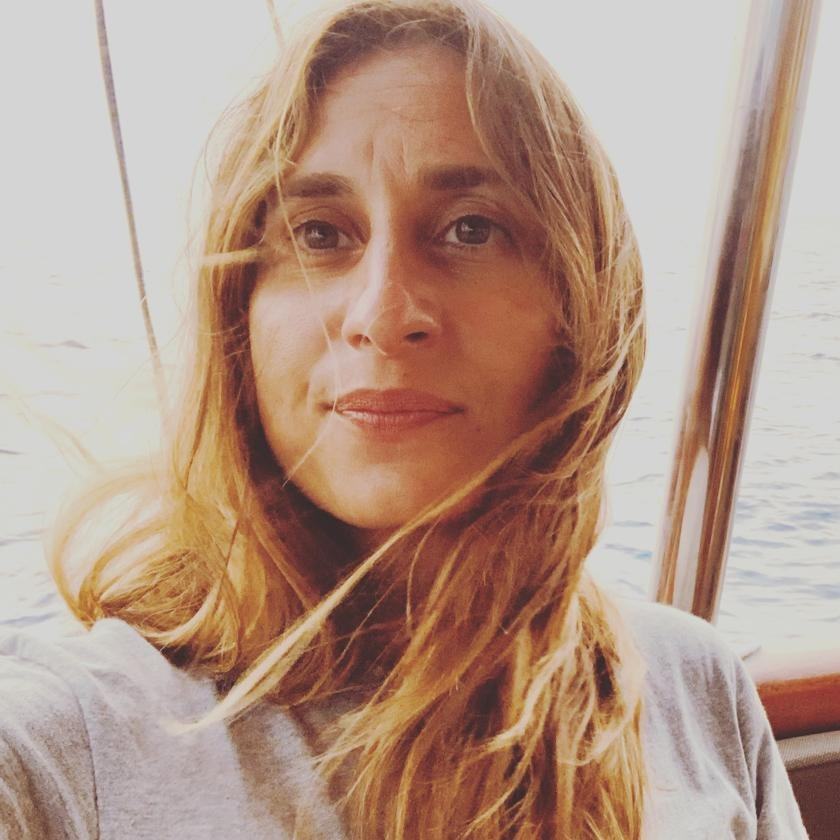
Valentina Brinis
Open Arms
Valentina Brinis is a sociologist with extensive experience in migration, specializing in asylum seekers, refugees, and migration governance. She has served as Coordinator of the Legal Desk at A Buon Diritto Onlus, staff member of the Italian Senate's Extraordinary Commission for the Protection and Promotion of Human Rights, and of the Parliamentary Commission of Inquiry on the Reception System. Until the end of 2018, she worked as an Integration Expert at the United Nations High Commissioner for Refugees (UNHCR). She is currently Advocacy Officer at the humanitarian NGO Open Arms, Professor of European Migration at CIEE Rome, and a PhD researcher in Sociology at the Universitat Autònoma de Barcelona (UAB).
She is the author of numerous essays, academic publications, and podcasts on migration, human rights, and humanitarian issues. Her most recent book, Come onde del mare. Diario di bordo di un'esperienza umanitaria (Like the Waves of the Sea: Logbook of a Humanitarian Mission), was published by Castelvecchi Editore in 2022.
Closing plenary: Imagining the future of migration studies