
The IMISCOE PhD Academy is excited to announce 15 new members as the sixth cohort of the Academy. The Academy connects PhD students in the broad field of migration research and provides migration research training and mentoring, supporting the IMISCOE PhD network community.
We received an exceptional number of applications covering a wide range of disciplines, methodological approaches, and academic backgrounds. We are delighted to welcome this new cohort and look forward to supporting them as they begin their journeys as the next generation of migration scholars.
Grace Lee – University of Luxembourg

My PhD research examines international student migration trajectories in Luxembourg, focusing on where those from outside of the EU go after graduation and why. I joined the IMISCOE PhD Academy to connect with others working in the diverse migration studies space, as well as contribute my learnings and research back to the community. I hope to have rich exchanges and meet a mentor or two!
Eleanor Luxton - University College London (UCL), Department of Geography
My PhD research is about Afghan women who moved to the UK post-2021. I wanted to become a member of the IMISCOE PhD Academy because I am passionate about interdisciplinary, creative, and participatory research, and am excited to collaborate with other migration researchers and share our experiences of teaching and learning.
Jocelyn Brown – University of Oulu

My PhD research is about experiences of urban conviviality and temporality of high-skilled migrants in post-industrial cities. I wanted to become a member of the IMISCOE PhD Academy because, as a graduate of EuMIGS, the double degree programme associated with IMISCOE, I highly value a cohort structure and peer-to-peer learning opportunities. I also hope to utilize my training in the Academy to keep contributing to IMISCOE and helping make migration studies responsible and responsive to the communities that we serve.
Enamul Hoque Tauheed - Maastricht University
My PhD research looks at refugee self-reliance under protracted encampment. Through ethnographic research in Cox’s Bazar and Bhasan Char in Bangladesh, I examine how camp infrastructures and the everyday navigation of Rohingya refugees and programme implementers shape what the globally promoted idea of self-reliance actually becomes in practice. I wanted to join the IMISCOE PhD Academy because I am interested in pushing migration research out of its comfort zone and start engaging seriously with the people and institutions it studies. I hope to use the Academy to build relationships with researchers who are willing to think beyond diagnosis and ask what our research can actually do, for whom, and with whom.
Nikolas Karoutsos – European University Institute
My PhD research is about the different migration regimes around labor and restrictive migration in Greece and Türkiye. – I wanted to become a member of the IMISCOE PhD Academy so that I can meet fellow researchers in migration and engage in a peer-to-peer learning journey.
Jeremy Caldeira – University of Warsaw

My PhD research is about the formation, change, and realization of return/movement plans of Ukrainian refugees in Europe. I am excited to participate in the IMISCOE PhD Academy and join a supportive network of fellow PhD students from around the world. I believe my participation will strengthen my capabilities to conduct well-rounded interdisciplinary migration research through engaging conversations, knowledge exchange, and collaboration.
LinkedIn: https://www.linkedin.com/in/jeremy-r-caldeira
Ioana Epure – Panteion University of Social and Political Sciences, Department of Social Anthropology, Athens
My PhD research is about how belonging materialises in an Athens neighbourhood. I joined the IMISCOE PhD Academy because I would like more opportunities to discuss my work with people doing comparable research elsewhere in Europe and to receive feedback from them, as well as publishing support.
Daria Krasnodembskaya –Goethe University Frankfurt
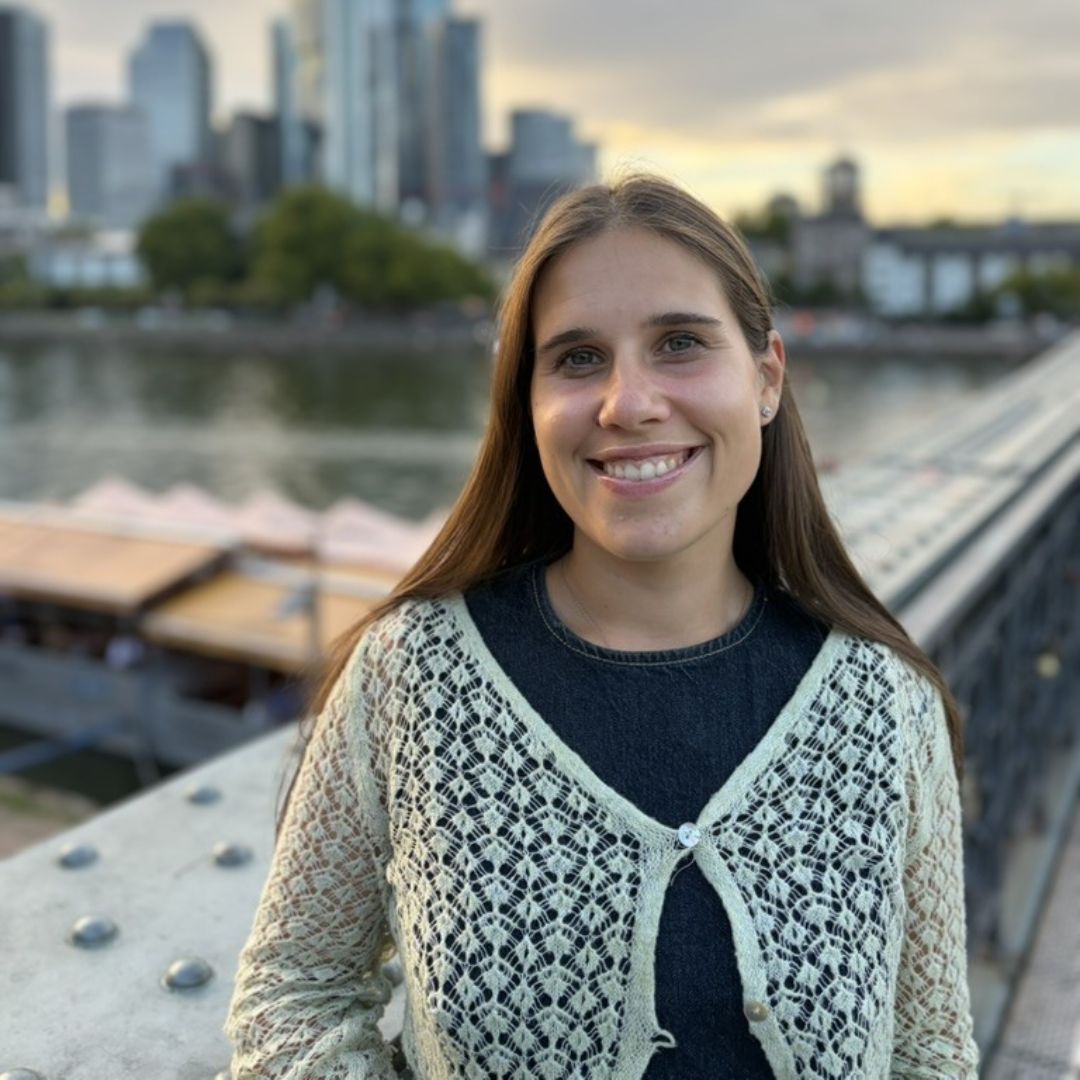
My PhD research examines the development and implementation of matching-technologies within migrant integration. As a member of the IMISCOE PhD Academy I look forward to participating in the exchange of the multiplicity of knowledge, experiences, reflexivity and methodologies with fellow PhD researchers. I believe these exchanges protect the quality and accountability of our research projects but also form a supportive academic community.
Ștefana Vizman – European University Institute
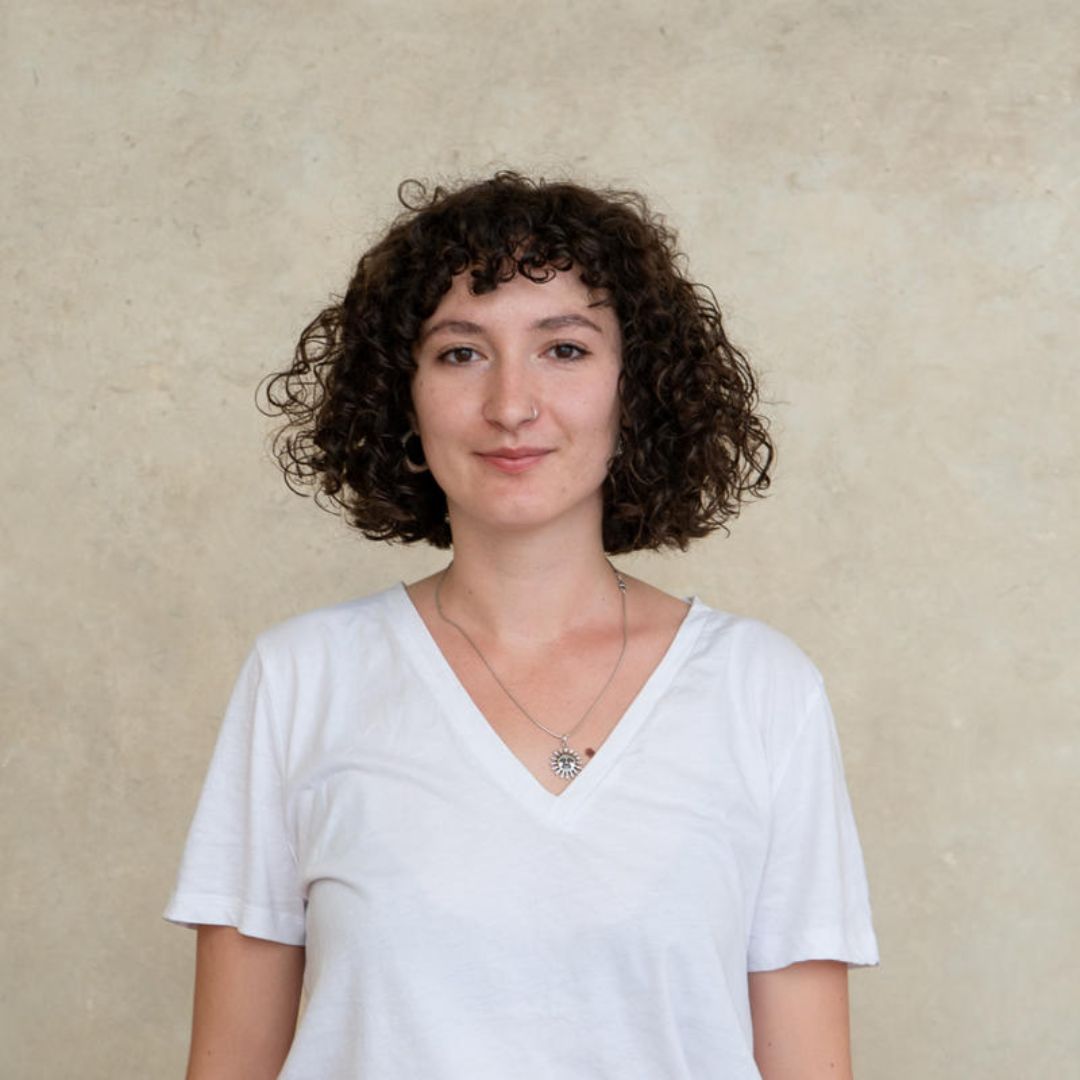
My PhD research explores how new migration destinations emerge and why some early movements develop into established migration systems while others do not. Rather than treating such systems as already-formed entities, I take a step back and investigate the processes behind their emergence: how new routes are initiated (and by whom), the conditions under which they consolidate, and the roles played by pioneer migrants and intermediaries in facilitating subsequent mobility. What draws me to the IMISCOE PhD Academy is the chance to connect with fellow migration researchers, share different perspectives and learn from one another. I value the opportunity to develop these relationships and contribute to a research community built on exchange and collaboration.
Dean Ross – University of Glasgow

My PhD research explores how Scottish and Catalan expressions of nationalism shape public perceptions of immigration and belonging. I wanted to join the IMISCOE PhD Academy to further develop my research within an international community of like-minded migration scholars. This opportunity offers a unique chance to broaden perspectives and engage with a diverse group of scholars to advance understandings in migration studies.
Naumova, A. – University of Groningen, Campus Fryslân

My PhD research is about whiteness in how labour migration from the 1960s–80s is remembered in Frisian museums, and how this memory affects Central and Eastern European labour migrants today. My methods are primarily art-based and participatory. I came to doctoral research from practice, and my PhD journey so far makes me wonder how the urgency of social justice, ethics of care, and the slowness of academic work pull against one another. I wanted to join the IMISCOE PhD Academy to test my thinking with peers facing similar questions.
Nur Üstündag – Center for Critical Computational Studies, Goethe University Frankfurt
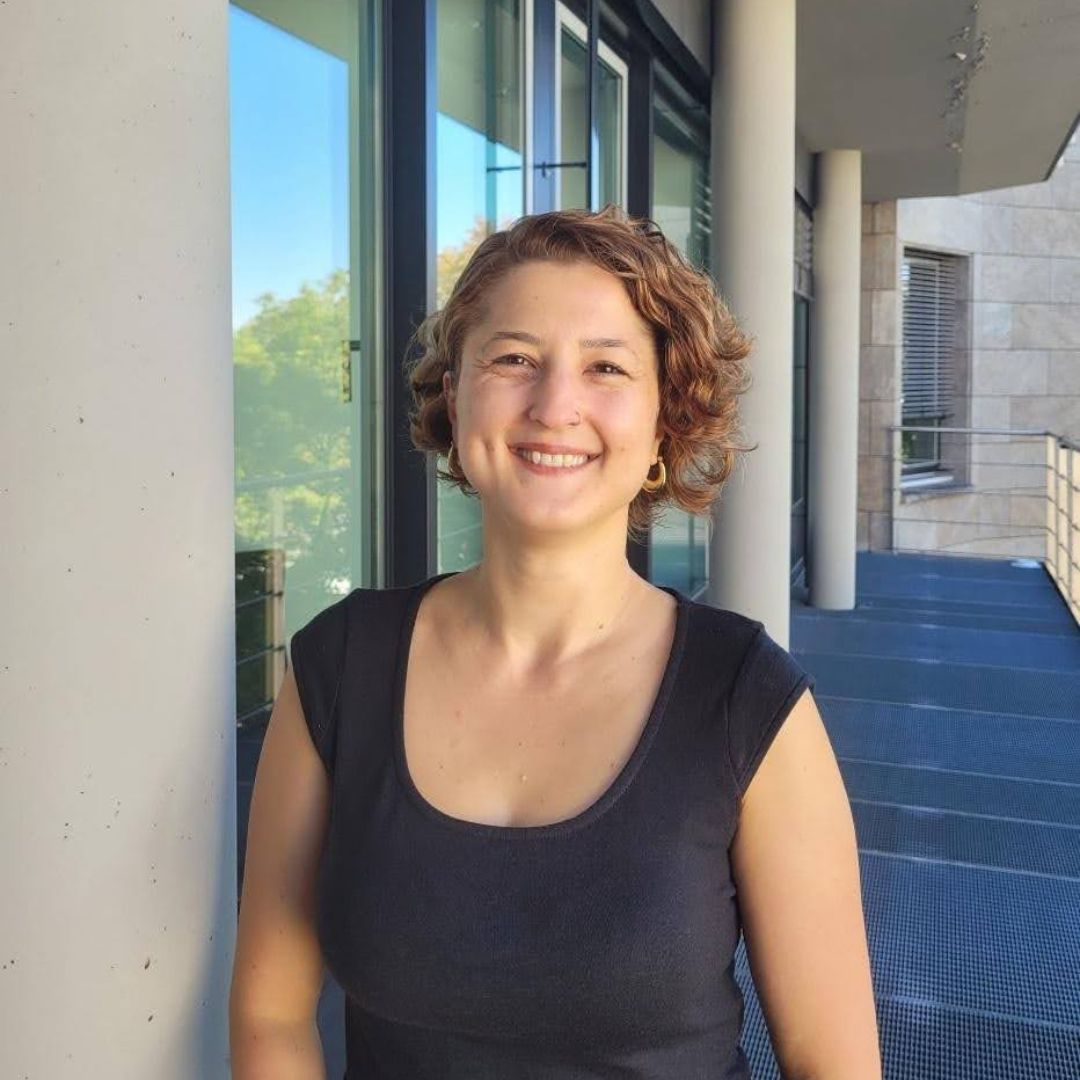
My doctoral research examines digitalisation and automation in migration governance, incorporating the perspectives of both migrants and frontline bureaucrats. IMISCOE PhD Academy provides a valuable platform to connect with fellow researchers from diverse disciplinary backgrounds. I see this as an opportunity to learn from one another and build a more collaborative and supportive academic environment.
Kemi Thompson – Vrije Universiteit Brussel (Free University of Brussels)

My PhD research is about bicultural identity and psychosocial well-being” – I hope the IMISCOE PhD Academy will offer a space to deepen my theoretical and methodological training in migration studies while connecting with researchers from diverse backgrounds. I am excited to learn from others, exchange perspectives, and contribute to a supportive and intellectually stimulating community.
Fabian Müller — LUISS University ‘Guido Carli’, Rome

My PhD research is about externalisation and bordering practices in the Mediterranean. My motivation for joining the academy is rooted in the multidisciplinary nature of the IMISCOE network itself and the potential to exchange with passionate individuals researching similar topics from a diversity of perspectives and backgrounds. Beyond academic exchange, the idea of the academy as a potential space for meaningful connections and a sense of community likewise drew me to apply.
Fatima Zahra Znioi – University of Warsaw
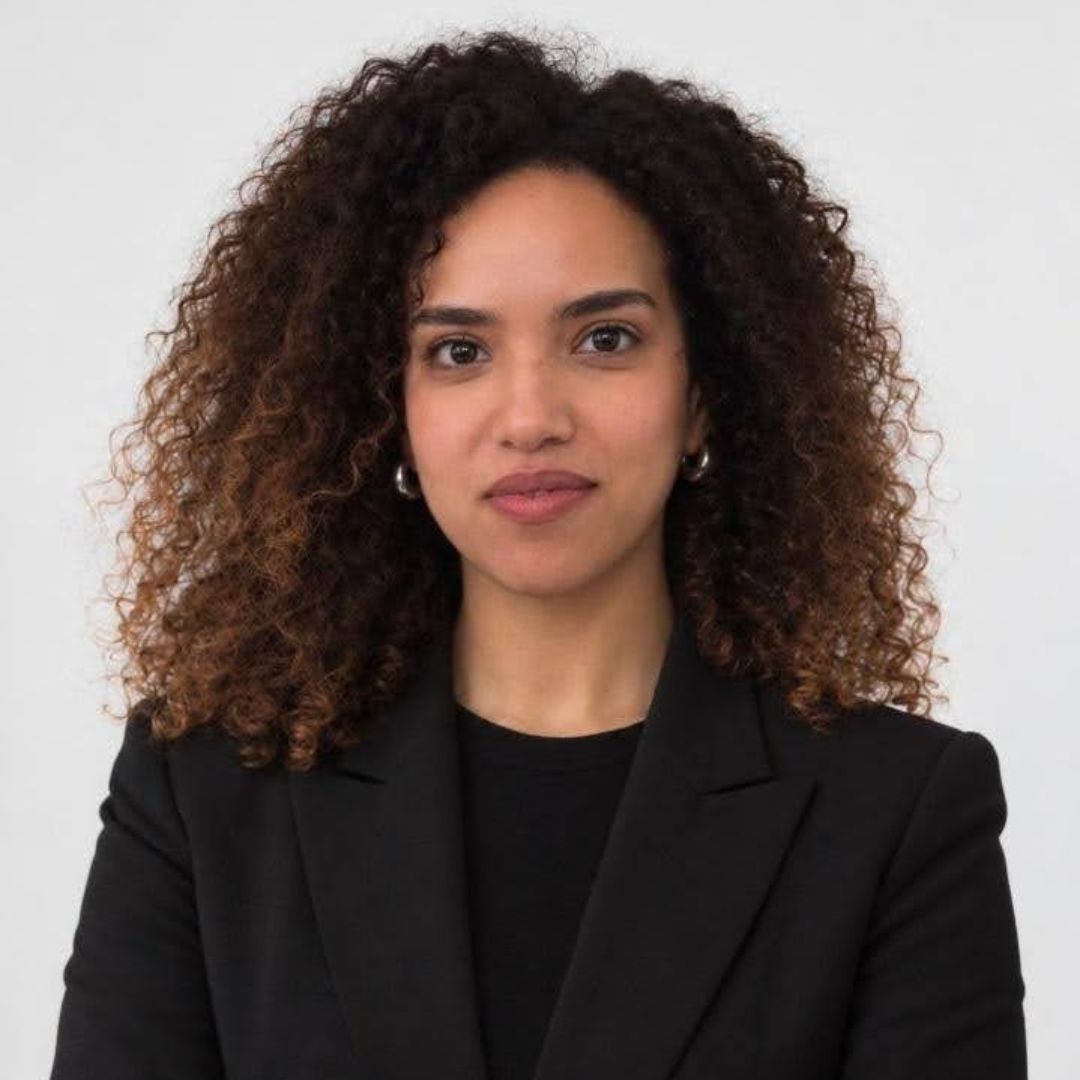
Her research focuses on the political remittances of Moroccan migrants in Western Europe. She investigates how Moroccans transfer political ideas, values, and practices back to Morocco. She also examines how migration can shape political and social change beyond borders. Her wider interests include political remittances, diaspora engagement, migration governance, return migration, and brain circulation. She is an Affiliated Researcher at the Centre of Migration Research at the University of Warsaw. There, she contributes to projects on migration and mobility. Her work has also includes the international migration of medical professionals, Polish return migration, and Euro-Mediterranean cooperation in higher education and migration governance. Fatima is the founder and president of the Institute for Migration Diplomacy and Policy in Warsaw.