
by Nicola Chanamuto, PhD, Centre for Education and Students, University of Lincoln, United Kingdom
This reflective piece explores the value of small-city fieldwork from my personal perspective as a sociologist based in the Centre for Education and Students at the University of Lincoln. The text considers the fieldwork I conducted for my doctoral research (Chanamuto, 2023). I have lived in various places ranging from villages to large cities, in the UK, France and Singapore. My early career was largely in the voluntary sector, where I worked on issues of gender, care and migration. I have been working in UK higher education for the last nine years; my current research looks at international academic mobility.
The preoccupation with global cities
Periods spent living in and visiting the metropolis of Singapore over the past two decades left me familiar with the sight of ‘maids’ cleaning, cooking and caring for others’ families. The phenomenon of mass female labour migration in this part of the world had also captured the attention of others; indeed, I enjoyed reading a wide body of scholarship on domestic work in Southeast Asia.
In 2015, I relocated to Lincoln, a small city of around 103,000 people, in the East Midlands region of the UK. The foreign-born population and ethnic diversity of Lincoln had increased significantly over the past decade; at the time of my PhD fieldwork (2017-2020), around 9% of residents had been born overseas. I wondered again about the experiences of the migrant women cleaning the homes around me. Although studies of migrant domestic workers in the UK have generally focussed on London, the practice of employing a cleaner is common throughout the country. The relative lack of scholarship outside London, however, suggested an invisibility of cleaning work in academic research beyond large cities. I was captivated by Glick Schiller’s (2008) plea to look beyond the over-used research design “recipe” in migration studies: “Choose an interesting gateway or global city, locate an ethnic group, add a research question and mix well” (2008, 2).
An urban bias in migration studies has taken the form of the empirical domination of large city case studies and arguable over-representation of migrants’ metropolitan experiences. Meanwhile, the value of small and medium cities in migration research has yet to be explored fully. In the UK, London and the Southeast region are destinations for most long-term migrants (Rienzo and Vargas-Silva, 2020). However, there is a persistent lack of data on the characteristics and experiences of migrants at local authority level, outside of large cities and across the country, including in the East Midlands (The Migration Observatory, 2022).

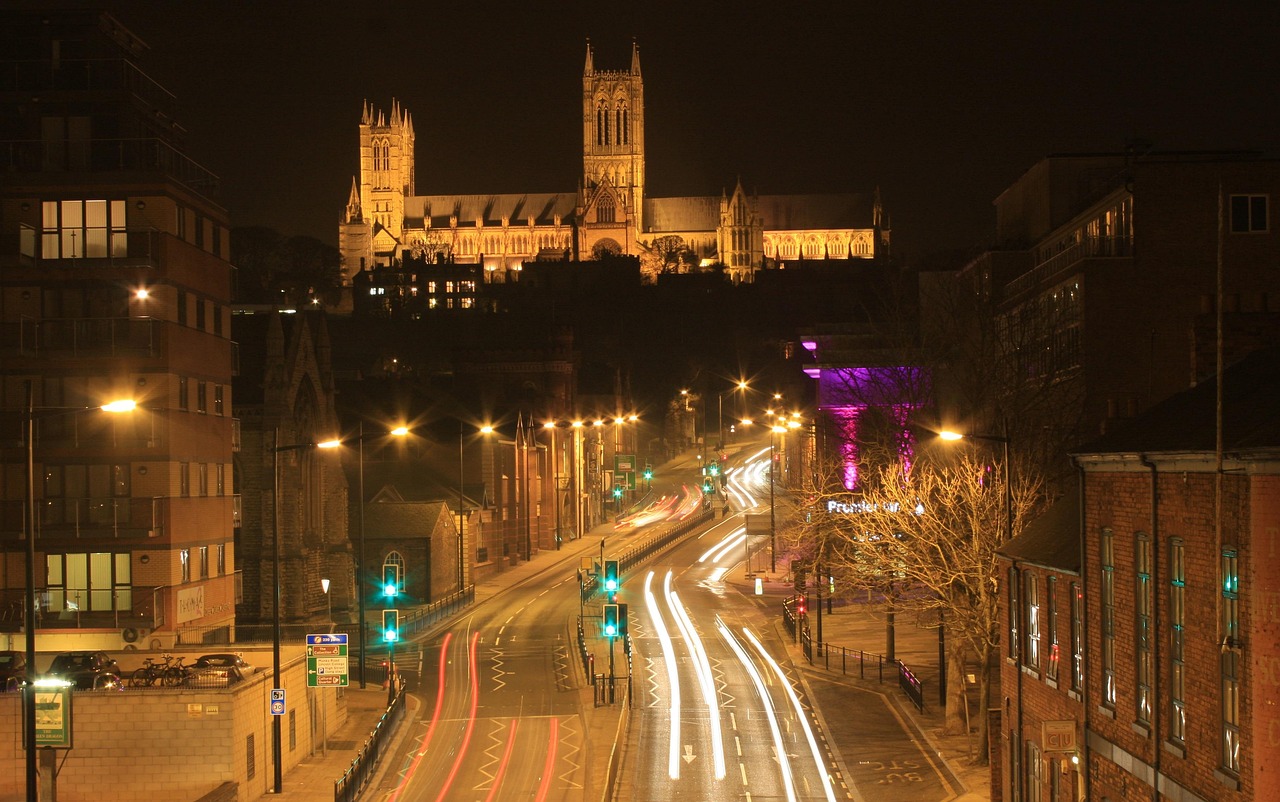
Figure 2. Lincoln city centre (source: Pixabay)
Why I chose a small city
My doctoral research examined the experiences of women of various nationalities (including Polish, Hungarian, Nigerian and Thai) who had migrated to the UK and found themselves doing cleaning work in Lincoln. These women represented a less-heard group in a region where the domestic cleaning sector is not well understood.
My conviction was that focussing on this location, where the experiences of domestic workers had not been previously researched, would yield rich insights. Indeed, considering small cities presents empirical advantages when exploring migrants’ trajectories. Hammond et. al. suggest that migration researchers should shift their attention “from global and primary cities to secondary cities and smaller towns which might be, or have the potential to become, stopping points in migrant journeys or places of settlement” (2020, 22). I could make no assumptions about why research participants had come to Lincoln, and its appeal was not always immediately apparent vis-à-vis larger cities. As it happened, drivers of migration to the city included seeking work, but more often following a partner or relative, seeking educational opportunities or escaping a negative situation elsewhere. To capture these trajectories, during semi-structured interviews, I also co-created a timeline with participants, to explore their past experiences, how they had come to be in Lincoln, and what they hoped for the future.
Limiting the study to one city enabled me to make locally relevant recommendations at the end of the project. At a regional level, strategic policy organisations had identified a specific need for further research on the impact of migration in the region. The Local Government Association had also stressed the need for public policy on migration and work to be developed at a local level rather than through central government bodies. This is important because the visibility of specific groups, such as live-out cleaners, can be significantly raised through focussed research at local level. The articulated needs of less-visible groups can then be acknowledged and addressed more effectively through precise policy responses informed by the lived experience. In this way, the small city is a valuable context within which to explore migrants’ lived experiences, given that the scale of a settlement is relevant to the way in which migrants are “represented, understood, and incorporated” (Glick Schiller, 2008, 20).
Sharing space in fieldwork
Conducting my fieldwork in Lincoln had practical implications, which in turn prompted broader epistemological reflections. At the time the research was conducted, Lincoln lacked formal migrant support infrastructure which could be found in larger cities. While some small community-run organisations (such as supplementary schools and nationality-based societies) existed, there was a distinct absence of larger umbrella organisations. There were no central meeting points where migrant cleaners congregated and were noticeably visible (unlike in many global cities). A lack of formal representatives who could provide an overview of this workforce further contributed to the invisibility of research participants. As such, I had to be creative about recruitment, relying more on conducting personal outreach than formal gatekeepers.
Living in and passing through the same spaces as study participants over the course of my research provided me with embodied reminders of our connectedness. Although we were different in many ways, living in a small city meant occasionally bumping into the women in the street, at the shops or the school gates. I sensed that, temporally and spatially, I was always close to study participants and yet was separated from them by my privilege and positionality. Reflecting on this implicitly shaped the data analysis process, as I adopted an intersectional lens to consider how gender interacted with other factors such as age, ethnicity and nationality to shape their experiences of cleaning work.
Although mine was not a longitudinal study, I often thought of participants and wondered how they were doing, particularly if they had been struggling at the time of their interview. Sometimes I would hear their news from mutual friends, who would update me – unprompted – on their situation. Even where I had no further contact with the women beyond their interviews, I remained perpetually aware that we operated in the same spaces. This crystalised my sense of responsibility towards them and the words-as-data they had shared with me. My ethical commitment to representing their stories with integrity was undoubtedly strengthened by our shared geography.
Too often, researchers are detached and disengaged from research participants, the connection being severed once data is generated. In small cities, connections may be easier to make and maintain, if somewhat ‘messier’. The closer social and physical proximity of participants, researchers and practitioners can foster accountability and ethical practice. Where relationality is key to accessing less-researched groups to ensure their representation in research, small cities allow researchers to navigate this. I found that operating in a relatively restricted geographic area allowed me to be flexible and responsive to participants. For example, when one individual working multiple precarious jobs was finally available to be interviewed, with one hour’s notice, I was able to quickly go to meet her. Despite these benefits, undertaking fieldwork in small cities has implications for protecting the anonymity of participants, particularly when mutual contacts are involved in recruitment.
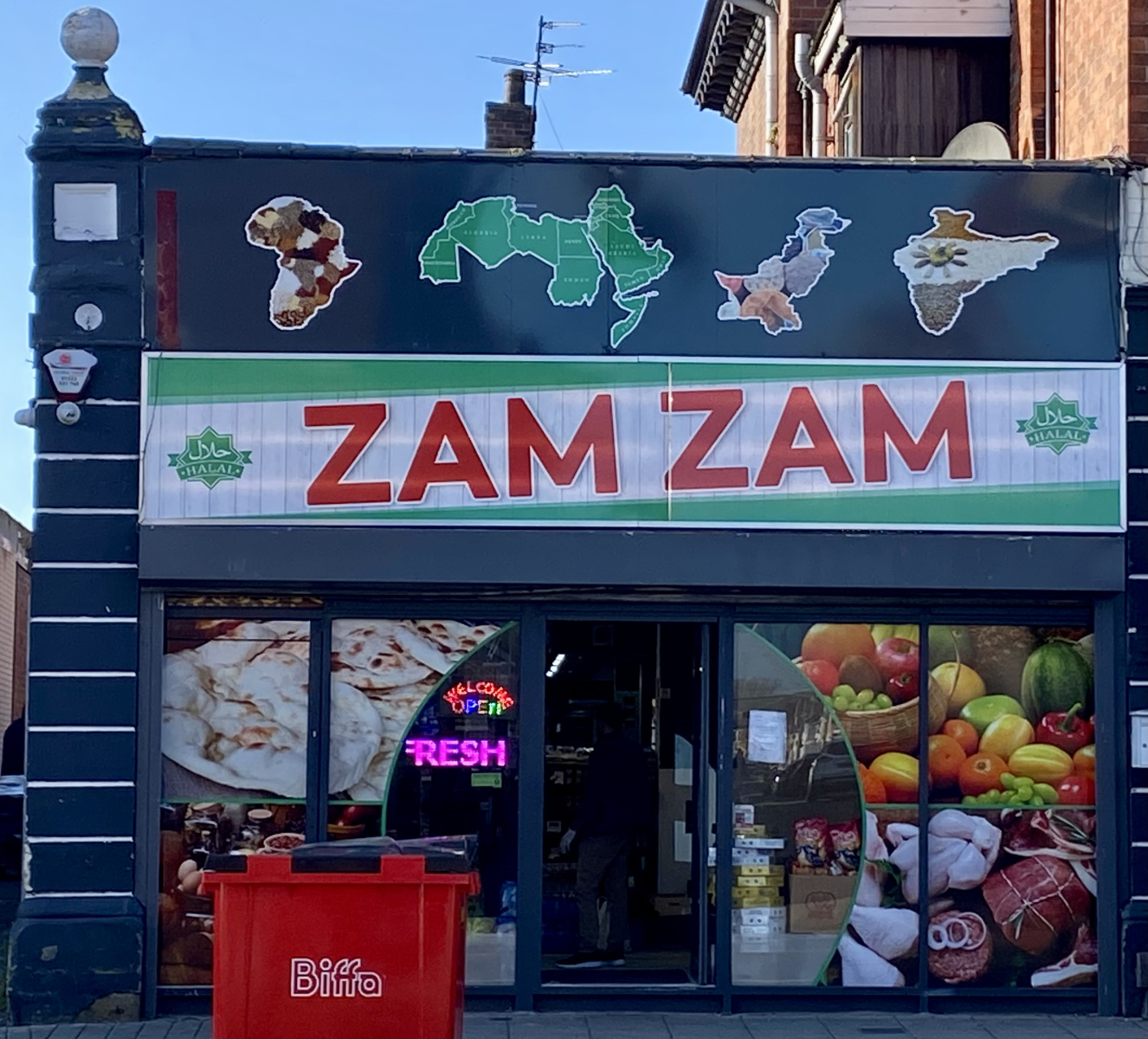
Figure 3. Local store offering a variety of products from African, Middle Eastern and Asian countries, and a social meeting point (source: Author)
Doctoral research can be a lonely business. Remaining anchored to my local community during fieldwork and the subsequent long months of data analysis allowed me to keep motivated. As I wrote up my thesis, physical reminders of study participants’ stories were everywhere. I would walk down a particular street and recall an interviewee’s description of cleaning inside those houses. On the way home from dropping my child at school one day, I ran into my very first interviewee, who asked how the research was progressing and warmly urged me to keep going. Although ostensibly unremarkable and certainly ‘off the radar’ of existing research, it was undoubtedly my privilege to be able to undertake research in this small city.
An open-mindedness to exploring migrants’ experiences in previously overlooked locations has the potential to yield rich insights for researchers. Indeed, developing a more nuanced understanding of migrants’ realities beyond metropolitan areas can contribute to local and regional policy and practice in particularly relevant and responsive ways. The spatial, temporal and relational characteristics of smaller cities also present researchers with the opportunity to reflect on their approaches to data generation and analysis in new ways.
References
Chanamuto, N. (2023). Domestic cleaning as caring labour: A dynamic view of the lived experiences of women migrants who clean in a small city in England. University of Lincoln. Thesis. Available from https://doi.org/10.24385/lincoln.31325179.v1
Glick Schiller, N. (2008) Beyond methodological ethnicity: local and transnational pathways of immigrant incorporation. Malmö, Sweden: Malmö University. Available from http://www.diva-portal.org/smash/get/diva2:1409920/FULLTEXT01.pdf
Hammond, L., Chase, E., Datta, K., Allsopp, J., Brain, L. and Tummers, H. (2020) Towards a holistic migration research strategic agenda: integration, partnerships, and impact. London: School of Oriental and African Studies. Available from https://discovery.ucl.ac.uk/id/eprint/10114621/1/file147522.pdf
Rienzo, C. and Vargas-Silva, C. (2020) Migrants in the UK: an overview. Oxford: Centre on Migration, Policy and Society. Available from https://migrationobservatory.ox.ac.uk/resources/briefings/migrants-in-the-uk-an-overview/
The Migration Observatory (2022) Local data guide. The Migration Observatory. Available from https://migrationobservatory.ox.ac.uk/projects/local-data-guide/